Andalusia, region by region
Jerez & Cádiz
Flor, albariza and Atlantic cellars — with a wider Cádiz wine landscape to explore beyond the familiar Sherry names.
A closer look
The place.
The wines.
The choices.
Sherry is already a world of contrasts: dry fino, amontillado and oloroso sit alongside sweet styles with different production histories. Start by separating sweetness from colour, and biological ageing from oxidative ageing. A dark wine can be dry; a pale one can carry remarkable complexity.
The province also has other wine identities. Tintilla de Rota is a historic red grape associated with Cádiz, and the directory includes still-wine projects as well as Sherry bodegas. Geography alone does not make every wine produced here Sherry.
Grapes to explore
Palomino · Pedro Ximénez · Moscatel · Tintilla de Rota
Soil & site
Albariza’s pale, chalk-rich profile is a defining vineyard feature. The wider Cádiz landscape includes other soil types and distinct sites.
Reading the landscape
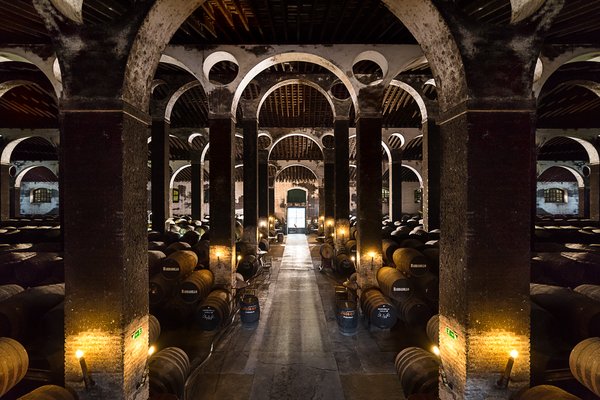
Jerez, El Puerto de Santa María and Sanlúcar de Barrameda offer different cellar settings within the wider wine country. Explore Chiclana and the Cádiz coast through their own producers too. The directory connects places without treating the whole province as a single wine style.
Flor & the maritime cellar
Criaderas y solera
Ageing pathways
Read the regional and producer sources: Sherry council — wine styles and classification · Sherry council — Tintilla de Rota history
A cultural landscape
The story around the glass.
Trade, cellar architecture and long ageing are visible parts of this landscape’s history. The modern solera tradition developed over time; it should not be projected unchanged onto the region’s ancient wine culture. The heritage timeline follows those different chapters.
Explore Andalusia’s wine historyPlanning a rewarding visit
- 01Choose the cellar experience you want: architecture, vineyard, flor, older wines or a guided comparison.
- 02Ask which location hosts the visit and whether booking is required for your date.
- 03A website in English does not by itself establish an English-speaking guide; check the published visitor details and confirm with the bodega.
People behind the landscape
Producers to explore.
A selection from the regional directory. Each profile brings together its wines, visitor information and source links so you can continue the conversation with the producer.

Jerez de la Frontera
Lustau
- Grapes
- Palomino, PX, Moscatel across range
- In the cellar & vineyard
- Flor and oxidative ageing; soleras; almacenista wines for comparison.
Jerez de la Frontera
Tradición
- Grapes
- Palomino, PX
- In the cellar & vineyard
- Long biological/oxidative ageing and historic soleras.
Jerez countryside
Luis Pérez
- Grapes
- Palomino, Tintilla, Merlot, Syrah, Petit Verdot
- In the cellar & vineyard
- Terroir-focused unfortified wines and natural-strength flor wines; modern reds.
Chiclana de la Frontera
Manuel Aragón / Campano
- Grapes
- Palomino, Moscatel; other grapes depend on wine
- In the cellar & vineyard
- Vineyard, pressing/fermentation, flor solera and oxidative ageing.
El Puerto de Santa María
Gutiérrez Colosía
- Grapes
- Palomino, Moscatel, PX
- In the cellar & vineyard
- Riverside/maritime cellar climate; flor and solera ageing; family soleras.
About this guide’s sources
Regional introductions combine the supplied research with linked council and producer sources. Winery profiles distinguish the original directory snapshot from subsequent source checks. Soil descriptions provide regional context and do not establish a parcel analysis for every estate. Read the editorial approach.
An optional academy experience
Explore this region
through four wines.
This is a study of transformation. Handle the pale chalk soil, follow the movement of wine through a solera and compare biological, sequential and oxidative ageing. The featured bodegas reveal different scales and traditions, from riverside family cellars to almacenista selections and long-aged reserves.
01Illustrative selection
Palomino, before the solera
Luis Pérez
A current unfortified Palomino selection
Begin with fruit, texture and vineyard expression.
At the table
A simple tomato and olive-oil tapa
02Illustrative selection
Fino beside the river
Gutiérrez Colosía
Fino del Puerto or an equivalent current fino
Flor-derived character and the effect of a savoury pairing.
At the table
Marinated olives or a small seafood tapa
03Illustrative selection
Two lives in one wine
Lustau
Amontillado
Identify the meeting of biological and oxidative ageing.
At the table
A mushroom or artichoke tapa
04Illustrative selection
Depth without sweetness
Tradición
A dry oloroso from the current selection
Texture, concentration and oxidative complexity; verify the bottle’s age designation.
At the table
Slow-braised meat or mushrooms with lentils
An illustrative four-bottle teaching flight. Actual producers, cuvées, vintages and pairings are confirmed for your session according to availability and dietary requirements. Featured producers are educational references; no partnership or winery visit is implied.
Request this signature flightExplore the decisions
What changes the wine?
Vinos de pasto
Vineyard-focused unfortified wines provide an opening comparison before long cellar ageing.
Flor & the maritime cellar
Compare the conditions associated with biological ageing, including the river-influenced setting recorded for Gutiérrez Colosía.
Criaderas y solera
Partial withdrawals and replenishments blend wines across time. The resulting wine brings together multiple harvests, with an average age shaped by the way the solera is managed.
Ageing pathways
Fino follows biological ageing; amontillado combines biological and later oxidative phases; oloroso develops through oxidative ageing. Specific bottlings determine the final comparison.
Learning outcomes & suggested tapas
- Separate dry from sweet before judging a Sherry by its colour.
- Explain the role of flor and oxygen in the principal dry styles.
- Understand what fractional blending accomplishes in a solera.
- Compare vineyard expression with the accumulated influence of the cellar.
Olives or a seafood tapa
A savoury opening for the fino comparison; the final menu follows dietary needs.
Mushrooms or artichoke
A useful partner for amontillado’s layered character.
Braised meat or lentils
A richer small plate beside dry oloroso.
Pairings are examples. Dietary requirements are discussed before the menu is confirmed.