Andalusia, region by region
Montilla-Moriles & northern Málaga
Meet Pedro Ximénez in its many forms: fresh, dry, flor-aged, oxidative and richly sweet. Then compare the neighbouring inland vineyards of Málaga.
A closer look
The place.
The wines.
The choices.
In Córdoba’s Montilla-Moriles, Pedro Ximénez is a grape with several lives. The council describes young whites, unaged vinos de tinaja, dry fino and wines shaped by oxidative ageing, alongside sweet PX. The same grape offers a useful way to understand the influence of fermentation, flor and time.
This guide also includes northern Málaga as a neighbouring comparison. Mollina and Fuente de Piedra are not part of the Montilla-Moriles designation. Their producers retain their own origins, grape choices and labels.
Grapes to explore
Pedro Ximénez · Moscatel · Doradilla · Verdejo · Syrah · Merlot
Soil & site
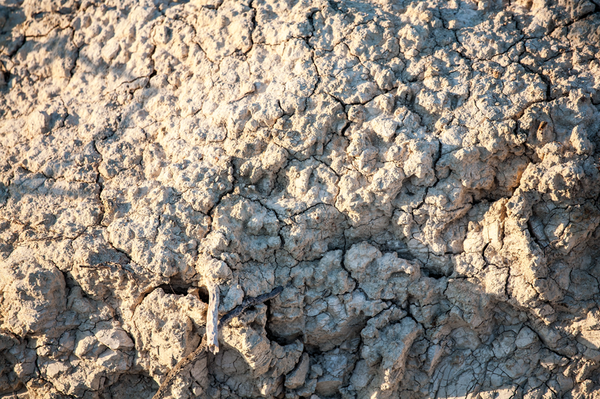
Chalk-rich albariza is part of the Montilla-Moriles vineyard story, especially around the Sierra and Moriles Alto. Northern Málaga adds its own inland sites and should be considered separately.
Reading the landscape
Begin with Montilla and Moriles, then use the directory to explore Córdoba’s surrounding wine country. Northern Málaga is offered as a separate geographical extension. These areas invite a comparison of growers and cellar traditions, rather than being presented as one appellation.
Oxidative ageing
Solera versus añada
Natural strength & concentration
Read the regional and producer sources: Montilla-Moriles council — wines, grapes and ageing · Málaga council — northern Málaga within its production area
A cultural landscape
The story around the glass.
Tinajas and soleras point to different parts of the cellar’s work. The Montilla-Moriles council describes vinos de tinaja as fresh, unaged wines traditionally used as a basis for generoso production. The clay-vessel tradition is therefore worth exploring alongside the famous long-aged wines.
Explore Andalusia’s wine historyPlanning a rewarding visit
- 01Tell a producer whether your interest is vineyard, tinaja, flor, older wines or the full range; visitor programmes differ.
- 02Check whether your preferred tasting includes dry wines as well as sweet PX.
- 03Confirm appointments and language directly, and plan transport independently of the tasting.
People behind the landscape
Producers to explore.
A selection from the regional directory. Each profile brings together its wines, visitor information and source links so you can continue the conversation with the producer.
Mollina / north of Antequera
La Capuchina
- Grapes
- Doradilla, Petit Verdot, Cabernet Franc, Syrah, Moscatel, PX
- In the cellar & vineyard
- Estate grapes; modern varietal wines, oak-aged reds and PX solera.
Mollina
Cortijo La Fuente
- Grapes
- PX, Moscatel; red varieties to confirm
- In the cellar & vineyard
- Hand harvesting; old vines; sun-dried Moscatel naturally sweet wine.
Mollina
Carpe Diem / Virgen de la Oliva
- Grapes
- Moscatel, PX; Syrah and Merlot in red range
- In the cellar & vineyard
- Cooperative production; traditional aged sweet wines plus modern vinification.
Fuente de Piedra
Málaga Virgen
- Grapes
- PX, Moscatel de Alejandría, Chardonnay, Verdejo, Syrah
- In the cellar & vineyard
- Traditional sweet-wine production and ageing alongside modern table wines.
Aguilar de la Frontera
Toro Albalá
- Grapes
- Pedro Ximénez
- In the cellar & vineyard
- Sun-drying; long oxidative vintage ageing; comparison of wine and vinegar ageing.
Montilla / Córdoba
Robles
- Grapes
- PX, Verdejo, Moscatel; other grapes vary by wine
- In the cellar & vineyard
- Organic cover crops and native yeasts; flor, oxidative/mixed ageing and criaderas-solera.
Montilla
Pérez Barquero
- Grapes
- Predominantly PX
- In the cellar & vineyard
- Albariza-grown fruit; flor and oxidative ageing; historic criaderas-solera.
Montilla
Alvear
- Grapes
- Pedro Ximénez
- In the cellar & vineyard
- Flor and oxidative ageing; soleras versus vintage/static PX ageing.
Sierra de Montilla
Los Insensatos / Cañada Navarro
- Grapes
- PX focus; other white varieties on estate
- In the cellar & vineyard
- Plot-specific vinification and contemporary expression of Montilla terroir.
About this guide’s sources
Regional introductions combine the supplied research with linked council and producer sources. Winery profiles distinguish the original directory snapshot from subsequent source checks. Soil descriptions provide regional context and do not establish a parcel analysis for every estate. Read the editorial approach.
An optional academy experience
Explore this region
through four wines.
Explore the vineyards of Montilla-Moriles alongside a comparison with northern Málaga. At the table, trace the decisions that separate a dry PX white from fino, amontillado and vintage sweet PX — without confusing colour, age or alcohol with sweetness.
01Illustrative selection
PX, expressed as place
Los Insensatos / Cañada Navarro
A current dry, plot-focused PX white
Texture and fruit before long ageing becomes the dominant story.
At the table
Tomato and olive oil on crisp bread
02Illustrative selection
Under the veil of flor
Pérez Barquero
Fino
Compare aromatic change and palate shape with the dry white.
At the table
Olives and toasted almonds
03Illustrative selection
Flor, followed by oxygen
Robles
Amontillado or a documented mixed-ageing selection
Follow the transition from biological to oxidative character.
At the table
Mushroom croqueta or a mushroom tapa
04Illustrative selection
PX, concentrated and patient
Toro Albalá
A vintage-dated sweet PX selection
Sweetness, acidity, viscosity and long oxidative maturation.
At the table
A small piece of mature cheese
An illustrative four-bottle teaching flight. Actual producers, cuvées, vintages and pairings are confirmed for your session according to availability and dietary requirements. Featured producers are educational references; no partnership or winery visit is implied.
Request this signature flightExplore the decisions
What changes the wine?
Biological ageing
Flor develops at the wine’s surface under suitable cellar conditions. Its influence gives fino a very different path from a protected young white.
Oxidative ageing
Compare oxygen-led maturation with the sequential biological and oxidative ageing of amontillado.
Solera versus añada
Fractional blending across a solera creates a different ageing framework from a vintage-dated, more static wine. Neither is a simple indicator of sweetness.
Natural strength & concentration
Montilla fino commonly reaches around 15% alcohol naturally. Fortification is a separate choice to check for each wine; asoleo, the sun-drying of grapes, offers a different route to sweet-wine concentration.
Learning outcomes & suggested tapas
- Taste Pedro Ximénez beyond its sweet-wine reputation.
- Distinguish biological, oxidative and sequential ageing.
- Explain dynamic solera ageing versus vintage/static ageing.
- Understand why natural alcohol and fortification must be checked wine by wine.
Olives & toasted almonds
A small savoury comparison alongside fino.
Mushrooms
A bridge to the richer aromatic profile of amontillado.
Mature cheese
A compact savoury counterpoint to concentrated PX.
Pairings are examples. Dietary requirements are discussed before the menu is confirmed.