Andalusia, region by region
Málaga, Axarquía & the coast
Dry Moscatel, sun-concentrated wines and small coastal estates: a province whose wine story changes with every landscape.
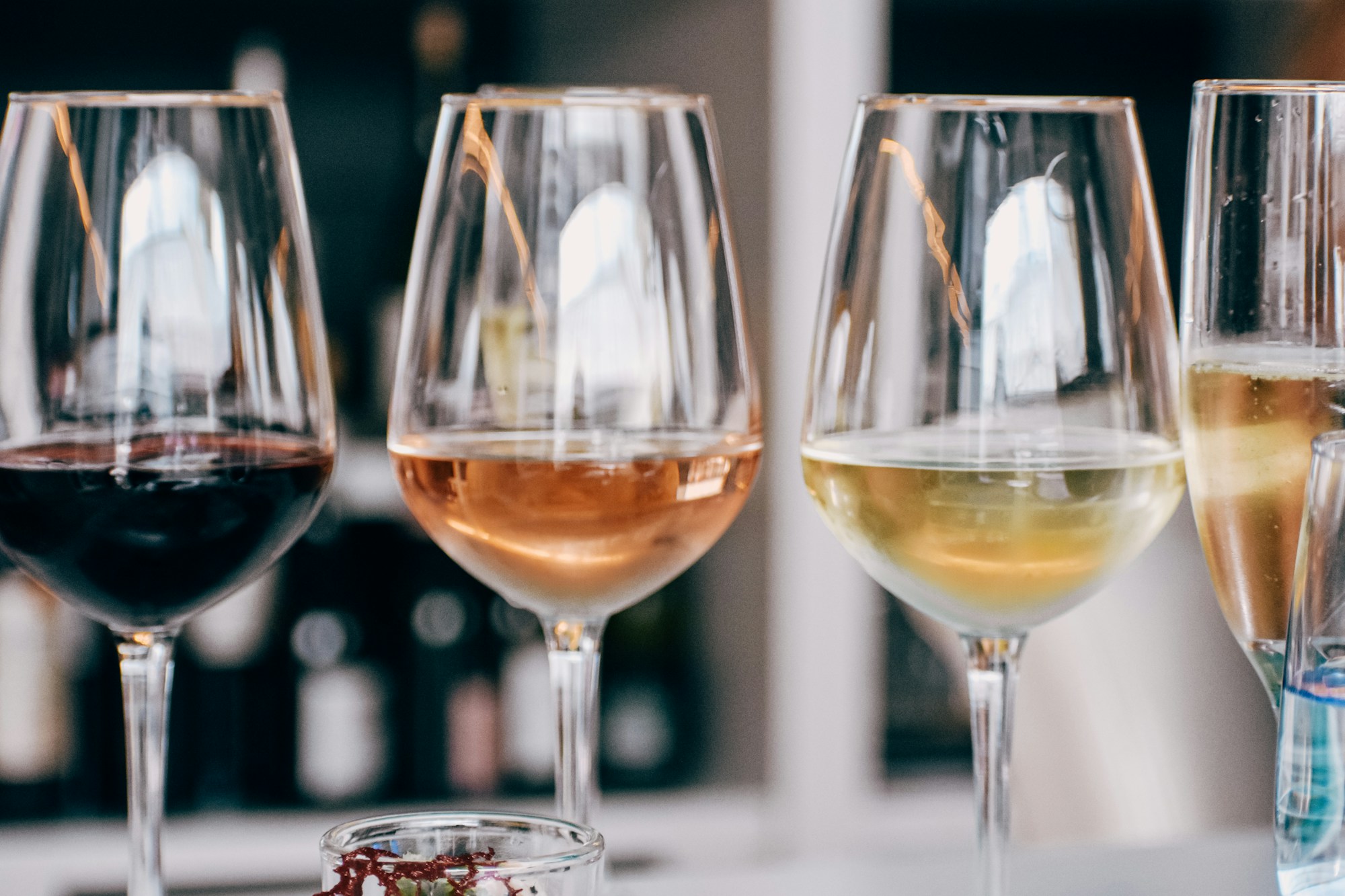
A closer look
The place.
The wines.
The choices.
Málaga’s celebrated sweet wines are one part of a much wider picture. Taste a dry aromatic white, explore a local red and then return to a sweet wine with fresh questions about grapes and cellar choices. The province rewards comparison.
Málaga DOP includes dry and sweet wines, made both with and without added alcohol. Sierras de Málaga is a separate designation with white, rosé, red and sweet-red categories. Read the designation and individual style together; neither the province nor the grape name determines how sweet a wine will be.
Grapes to explore
Moscatel de Alejandría · Romé · Pedro Ximénez · Doradilla · Syrah · Viognier
Soil & site
Slate and schist frame the Axarquía vineyards in the regional research, while Nilva in Manilva introduces a documented albariza contrast. Geology varies along the coastal belt and between estates.
Reading the landscape
The geographical thread runs from Manilva and the coastal belt through Málaga to the villages of Axarquía. Mijas, Moclinejo, Almáchar, Sayalonga, Cómpeta and Sedella offer different points of entry into the directory. Treat each estate as its own place rather than assuming one coastal climate or soil fits them all.
Asoleo
Amphora & old wood
Low-intervention choices
Read the regional and producer sources: Málaga council — designation and wine categories · Sierras de Málaga council — wine categories
A cultural landscape
The story around the glass.
Málaga’s wine identity connects an export tradition with present-day growers making many styles. The full history includes devastating vineyard losses and continuing production, followed by new interpretations of local grapes. Follow that longer story in the heritage guide.
Explore Andalusia’s wine historyPlanning a rewarding visit
- 01Choose the actual vineyard or cellar you want to visit; a producer may use more than one location.
- 02Arrange mountain-estate appointments directly and check the approach and meeting point with the host.
- 03Confirm the language and wines included in a tasting. A producer’s wider range is not a promise of what will be opened on the day.
People behind the landscape
Producers to explore.
A selection from the regional directory. Each profile brings together its wines, visitor information and source links so you can continue the conversation with the producer.
Mijas
Malvajío
- Grapes
- Syrah, Merlot, Moscatel, Colombard, PX, Chardonnay
- In the cellar & vineyard
- Small-production wines; native-yeast fermentations; stainless steel and oak depending on wine.
Mijas Pueblo
Hermanas López Lavado / Viña Tamisa
- Grapes
- Tempranillo, Petit Verdot; white variety needs confirmation
- In the cellar & vineyard
- Estate grapes; artisanal production. Published red and rosé notes specify no filtration; reds also no fining. Confirm current vintages.
Entrerríos / Mijas Costa
Mythopia Andalusia / Hacienda Los Arcos
- Grapes
- Syrah, Garnacha, Tintilla, Viognier; Tempranillo also planted
- In the cellar & vineyard
- Cover crops, biochar, Vetiver and fruit trees; underground drip irrigation; hand harvesting; natural vinification and long clay-amphora ageing.
Málaga / Guadalmar
Quitapenas
- Grapes
- Pedro Ximénez (PX), Moscatel de Alejandría
- In the cellar & vineyard
- Fortification, blending, arrope and oxidative ageing; sweet vs naturally sweet wines.
Manilva
Nilva
- Grapes
- Moscatel de Alejandría
- In the cellar & vineyard
- Old dry-farmed vines on albariza; dry fermentation and fine-lees ageing; organic cuvée.
Moclinejo
Dimobe
- Grapes
- Moscatel de Alejandría, PX; other grapes vary by range
- In the cellar & vineyard
- Asoleo (sun drying), traditional Málaga ageing and modern dry wines.
Almáchar
Fabio Coullet
- Grapes
- Moscatel, PX, Doradilla, Garnacha
- In the cellar & vineyard
- Low-intervention approach; dry-farmed vines; barrel-fermented/aged Moscatel and old-cask vermouth.

Sayalonga
Bentomiz
- Grapes
- Moscatel, Romé, PX, Merlot, Tempranillo
- In the cellar & vineyard
- Lees ageing, oak, naturally sweet wines; some portfolio wines sourced through collaborations.
Cómpeta
Almijara / Jarel
- Grapes
- Moscatel de Alejandría, Romé
- In the cellar & vineyard
- Steep old vineyards; dry Moscatel on lees; asoleo and unfortified sweet wine; oxidative oak ageing for Ámbar.
Sedella
Sedella Vinos
- Grapes
- Romé, Garnacha tinta
- In the cellar & vineyard
- Slate soils, mountain/Mediterranean climate; French oak, clay jars and cement vessels.
About this guide’s sources
Regional introductions combine the supplied research with linked council and producer sources. Winery profiles distinguish the original directory snapshot from subsequent source checks. Soil descriptions provide regional context and do not establish a parcel analysis for every estate. Read the editorial approach.
An optional academy experience
Explore this region
through four wines.
Compare the delicacy of a dry aromatic white with the texture of amphora-aged wine, the character of a mountain red and the concentration of naturally sweet Moscatel. Slate, slope, vine age and cellar decisions become tangible around one table.
01Illustrative selection
Moscatel, without the sweetness
Bentomiz
A dry Moscatel-led white
Aroma, acidity and the texture of lees ageing.
At the table
Ajo blanco with a grape and a few toasted almonds
02Illustrative selection
The amphora chapter
Mythopia Andalusia / Hacienda Los Arcos
A current amphora-aged red or white
Texture and fruit expression; discuss vessel and vineyard choices separately.
At the table
Roasted aubergine with herbs and olive oil
03Illustrative selection
A red from the slate slopes
Sedella Vinos
A Romé/Garnacha mountain expression
Freshness, tannin and the role of elevation and blending.
At the table
A small tapa of slowly braised meat or mushrooms
04Illustrative selection
Moscatel, concentrated by the sun
Almijara / Jarel
A naturally sweet Moscatel; Ámbar if available
Fruit concentration, acidity and the extra dimension of oxidative ageing.
At the table
A small almond pastry with citrus zest
An illustrative four-bottle teaching flight. Actual producers, cuvées, vintages and pairings are confirmed for your session according to availability and dietary requirements. Featured producers are educational references; no partnership or winery visit is implied.
Request this signature flightExplore the decisions
What changes the wine?
Dry Moscatel & lees
Separate the scent of ripe grapes from residual sugar. Lees contact and selected barrel work offer another route to texture.
Asoleo
Follow sun-dried grapes into naturally sweet wine, then distinguish fruit concentration from sweetness created by blending.
Amphora & old wood
Use Mythopia and the mountain producers to discuss how clay, older casks and oak change the conditions of maturation.
Low-intervention choices
Ask what native fermentation, filtration and vineyard practices mean for a particular wine, rather than treating them as a guarantee of flavour.
Learning outcomes & suggested tapas
- Recognise aromatic intensity without assuming a wine is sweet.
- Distinguish dry, naturally sweet and fortified approaches within the wider Málaga story.
- Connect slope and water availability with vineyard work, then test the wine in the glass.
- Compare clay, lees and wood as cellar choices, using specific producer examples.
Ajo blanco
Almond, olive oil and a small fresh-grape accent introduce texture alongside dry Moscatel.
Roasted aubergine
A savoury vegetable pairing gives amphora-aged wines room to speak.
Almond pastry
A small serving keeps the sweet-wine comparison balanced.
Pairings are examples. Dietary requirements are discussed before the menu is confirmed.